Jam-Tracker
Detects radio-frequency jamming in real time, maps the affected zones, locates the source and adapts the flight path — with no external connection.
A patented behavioural engine, small enough to live inside any aircraft, that learns how the platform behaves — and reacts the instant something doesn't fit. Onboard. Autonomous. No ground link required.
Look inside
An embedded AI controller the size of a cigarette pack. It watches navigation, flight management and the onboard software as they run — and when a drift, a spoofed signal or an intrusion appears, it has already begun to act.
We put the intelligence where it is needed most — inside the platform, at the edge, with no dependence on a connection to the ground. Our engine learns what normal looks like for a given system, in flight, then flags and answers the incongruous in real time, with an explanation an operator can read.
Detects radio-frequency jamming in real time, maps the affected zones, locates the source and adapts the flight path — with no external connection.
An application-layer defence for the flight-critical software — RTOS and FMS — against cyber attack, running inside the platform itself.
Recognises spoofing and drift as behaviour, not just signal, and lets the aircraft hold its route when the sky lies to it.
Continuous behavioural monitoring catches the early signs of failure — keeping fleets flying and cutting the time a platform sits on the ground.
AKHEROS is part of NATO's Defence Innovation Accelerator for the North Atlantic (DIANA) 2025 cohort. Our SkyLock module flew on Schiebel's CAMCOPTER S-100 during REPMUS 2025, the multinational unmanned-systems exercise — a self-contained AI protecting a real platform, in a real exercise, with no link to the ground.
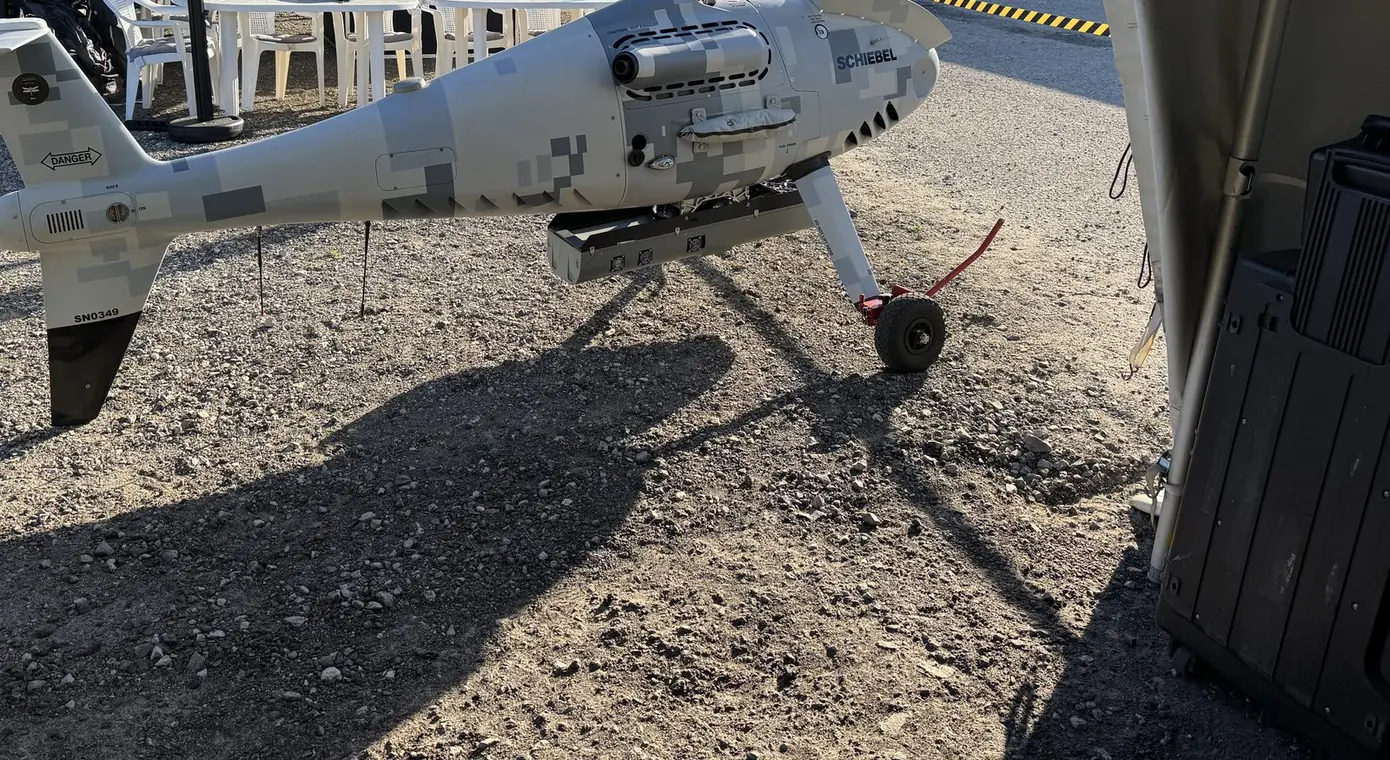
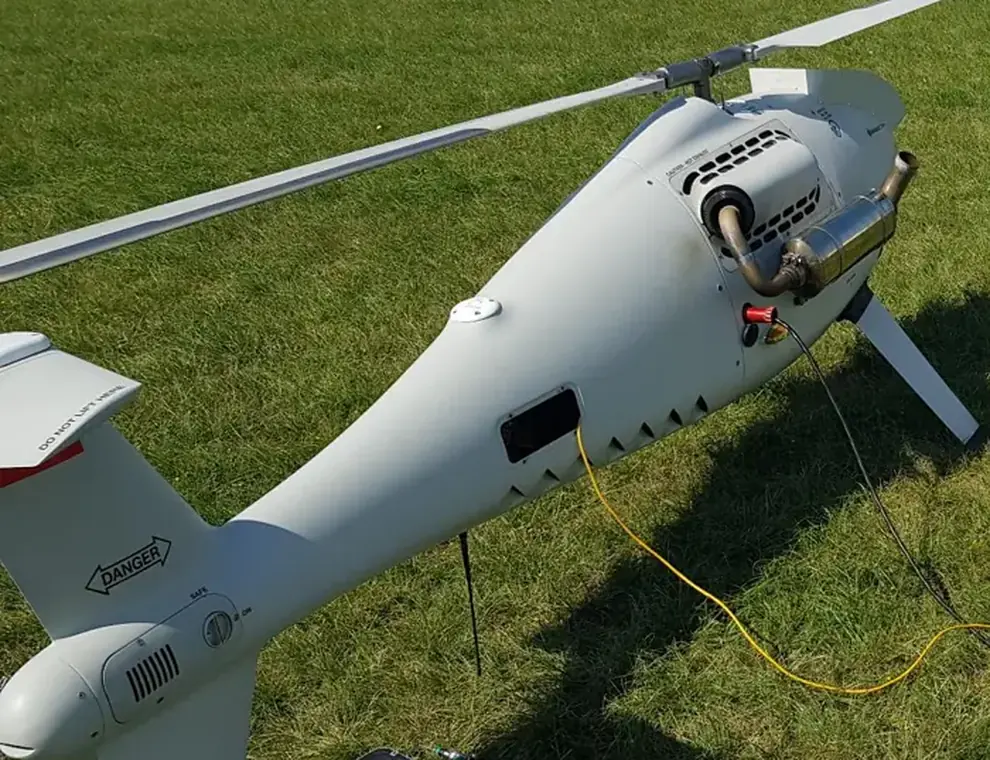


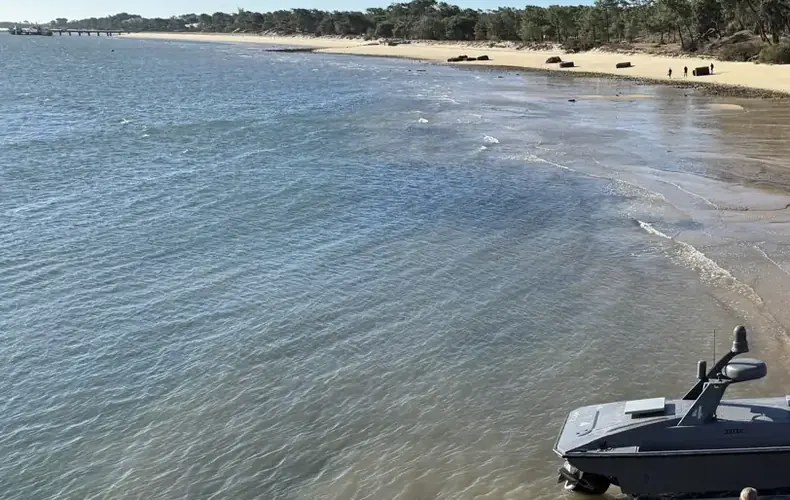
Our technology is platform-agnostic by design. It retrofits onto what already flies, sails or drives — adding electronic-warfare awareness, predictive maintenance and application-layer cybersecurity without touching the avionics.
A lightweight component integrated into any embedded operating system, bringing behavioural detection to platforms already in service.
A miniaturised plug-and-play module built on the SkyLock architecture — continuous, real-time monitoring on any platform, with the AKHEROS model built in.
An operator running a helicopter fleet doesn't need to upgrade the aircraft to gain real-time, continuous maintenance monitoring. Akheros Inside adds it as a retrofit — and every hour a platform isn't grounded for maintenance is money kept in the air.
Detects radio-frequency jamming in real time, maps the affected zones, locates the source and adapts the flight path — with no external connection.
In contested airspace, jamming rarely announces itself: the signal degrades, the aircraft drifts, and the operator learns of it too late. Jam-Tracker analyses the radio-frequency environment onboard, across several bands at once, and treats interference as behaviour to be explained rather than noise to be filtered. It draws a live map of the disturbed zones, identifies the emission source and the class of equipment behind it, and hands the crew a picture they can act on — or acts alone, adapting the route so the mission continues and the platform comes home.
An application-layer defence for the flight-critical software — RTOS and FMS — against cyber attack, running inside the platform itself.
Perimeter security stops at the hangar door. Once an aircraft is flying, the software that keeps it flying is on its own. Our engine sits alongside that software and learns how it actually behaves — which calls follow which, at what rhythm, under what load. It needs no signature database and no threat feed, because it is not looking for known attacks: it is looking for the moment the system stops behaving like itself. When that moment comes, it names the probable causes and draws the chain of events, so an operator reads a diagnosis rather than a log.
Recognises spoofing and drift as behaviour, not just signal, and lets the aircraft hold its route when the sky lies to it.
A spoofed satellite signal is, by construction, well formed: it passes every check the receiver knows how to make. What it cannot do is behave consistently with everything else on board — with the inertial platform, with the flight management system, with the aircraft's own recent history. That inconsistency is what we detect. Rather than asking whether the signal is valid, we ask whether the position it claims is compatible with how this aircraft has been flying for the last minutes, and when the answer is no, the platform keeps its route instead of following the lie.
Continuous behavioural monitoring catches the early signs of failure — keeping fleets flying and cutting the time a platform sits on the ground.
A component rarely fails without warning; it changes how it behaves first, quietly, over hours of flight nobody is watching closely. The same engine that defends the platform also remembers it — building, in minutes of learning, a model of how this particular airframe runs, then noticing the drift that precedes a fault. For an operator, the value is not the alert but the schedule: maintenance planned around what the aircraft is actually telling you, rather than a calendar, and every hour not spent grounded is an hour of availability recovered.